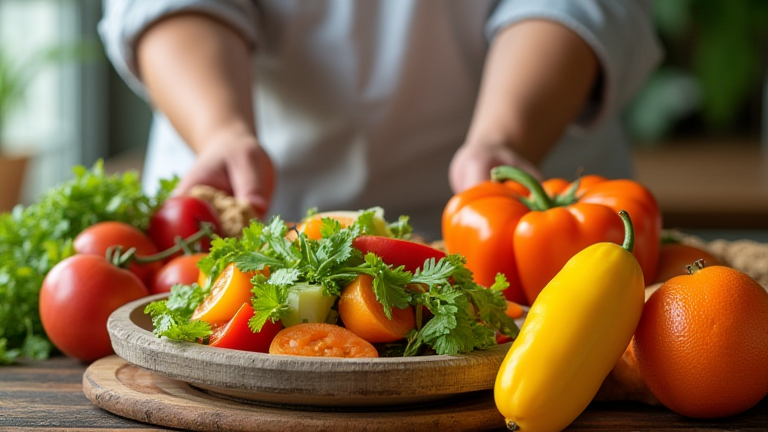
TL;DR: Skipping expensive health foods is often worth it if you prioritize whole, accessible ingredients over trendy superfoods. True wellness stems from consistent habits and balanced nutrition, not from the price tag of your grocery cart.
The Illusion of the Superfood Hype
In the modern wellness industry, we are constantly bombarded with images of vibrant acai bowls, expensive collagen peptides, and exotic seeds sourced from remote corners of the globe. It is easy to fall into the trap of believing that health is a commodity to be purchased, rather than a lifestyle to be cultivated. However, when we step back and look at the broader picture of travel, food culture, and personal growth, a different truth emerges. The most nourishing experiences often come from simplicity, connection, and mindfulness, not from the most exclusive ingredients.
Culture Over Cost
Consider the culinary traditions of Mediterranean cultures or the balanced diets of many Asian countries. These regions consistently rank high in global health metrics, yet their diets are built on affordable staples like beans, lentils, rice, and seasonal vegetables. There is no expensive “superfood” required to achieve longevity and vitality. In fact, the cultural aspect of eating—sharing meals with family, savoring slow-cooked dishes, and respecting the source of our food—contributes more to our well-being than any isolated nutrient. When you travel to these places, you are not paying for luxury ingredients; you are paying for the experience of community and tradition, which are invaluable for personal growth and mental health.
Personal Growth Through Simplicity
Embracing affordable, whole foods is also an act of personal empowerment. It shifts the focus from external validation through consumerism to internal satisfaction through self-care. By learning to cook nutritious meals with basic ingredients, you gain skills that serve you for a lifetime. This approach fosters a healthier relationship with food, reducing anxiety about what you “should” be eating and increasing joy in what you actually enjoy. Financially, it liberates you to spend resources on experiences that truly enrich your life, such as travel, education, or time with loved ones. The value of a meal is not determined by its price, but by the energy it gives you and the peace of mind it provides. Ultimately, health is a holistic journey. It is about listening to your body, respecting your budget, and finding joy in the simple, accessible pleasures of life. You do not need to spend a fortune to be healthy; you just need to be intentional.
FAQ
Q: Are expensive supplements necessary for good health?
A: No, a balanced diet rich in whole foods can provide all necessary nutrients, and supplements should only be used under medical guidance.
If you want to dig deeper, check out our guide on Solo Trip to Latin America & Antarctica: 3.5 Months Guide.
Q: Can I get the same benefits from cheap foods as expensive superfoods?
A: Yes, affordable staples like beans, oats, and frozen vegetables are highly nutritious and often more sustainable than trendy items.
Q: How does focusing on affordable food impact mental well-being?
A: It reduces financial stress and promotes a mindful approach to eating, fostering a healthier relationship with food and body image.