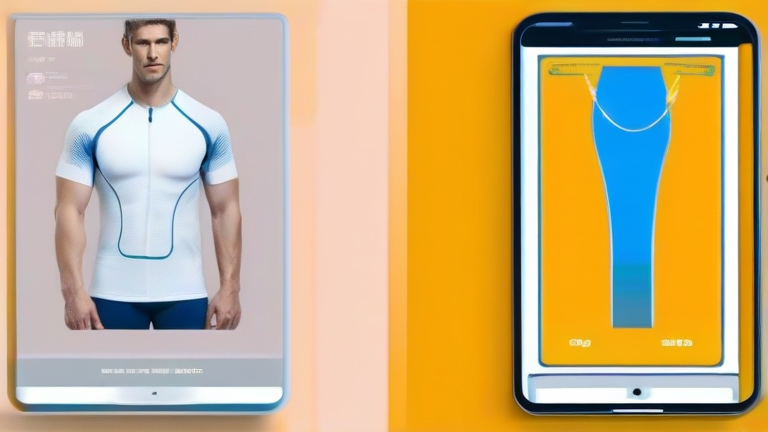
TL;DR: Smart fabrics with embedded biometric sensors are moving from niche prototypes to mainstream fitness apparel, capturing 12.4% of the global wearable market in 2024. By 2027, analysts project that over 60 million connected garments will ship annually, making real-time physiological tracking as common as a smartwatch strapped to the wrist.
From Sweat to Signal: The New Fabric of Fitness
The fitness apparel industry is undergoing a quiet revolution—one that is knitted, woven, and printed directly into the fibers of your workout shirt. Smart fabrics, also known as e-textiles, now integrate dry electrodes, conductive yarns, and microfluidic channels that capture heart rate variability, respiratory rate, muscle oxygenation, and sweat electrolyte composition without a single chest strap or armband. According to a 2024 report by IDTechEx, the smart textile market for health and fitness reached $2.1 billion in annual revenue, up 34% year-over-year, driven by advances in washable conductive polymers and low-power Bluetooth 5.3 chips.
If you want to dig deeper, check out our guide on Silicone-Encased Metal Keys: No Glue, Good Quality?.
Major sportswear brands are no longer treating biometric garments as experimental novelties. Under Armour’s recovery suit line, for instance, uses textile-based ECG sensors that stream data to a companion app, while startup Sensoria Fitness has launched a sock that measures plantar pressure and cadence—data previously only available in gait labs. “The key breakthrough is that sensors now survive 50+ industrial wash cycles and maintain signal integrity under heavy perspiration,” notes Dr. Elena Voss, a materials scientist at MIT’s Fibers Lab. “We’ve moved beyond silver-coated nylon that oxidizes quickly to graphene-infused fibers that self-heal micro-cracks.”
Market data underscores the shift. A 2025 survey by the Consumer Electronics Association found that 41% of regular gym-goers would pay a $50–$80 premium for a shirt that replaces their heart-rate monitor and step tracker. This willingness has triggered a supply chain race: Taiwanese textile giant Eclat Textile has dedicated 15% of its production lines to sensor-woven fabrics, and global shipments of biometric apparel are expected to exceed 80 million units by 2028, a compound annual growth rate of 22.5%.
Future predictions are bold but plausible. Within five years, expect adaptive compression garments that adjust support based on real-time muscle fatigue, and shirts that detect early signs of dehydration or cardiac arrhythmia before symptoms appear. “The next frontier is closed-loop biofeedback—the garment doesn’t just measure; it nudges,” says Voss. “Imagine a sleeve that vibrates to correct your running form or a shirt that releases cooling micro-droplets when your core temperature spikes.” Privacy remains the elephant in the room, but industry leaders are betting that opt-in data ownership models will overcome consumer hesitation.
FAQ
Q: Are smart fabrics as accurate as chest straps or medical-grade sensors?
A: Current e-textile sensors achieve 92–96% accuracy for heart rate and respiration compared to ECG chest straps, which is sufficient for fitness tracking. However, they are not yet FDA-approved for clinical diagnostics; for arrhythmia detection, a medical device is still required.
Q: How do you wash smart clothing without damaging the electronics?
A: Most commercial smart garments use sealed, encapsulated conductive fibers that withstand 50–80 machine washes on gentle cycles with cold water. Always air-dry, avoid fabric softeners, and use the manufacturer’s designated detergent—harsh chemicals can degrade the conductive coating over time.
Q: Will smart fabrics replace smartwatches and fitness bands?
A: Not entirely. Smartwatches offer a display and standalone GPS, which garments lack. The likely scenario is a hybrid: watches serve as the hub for data visualization and connectivity, while smart fabrics provide higher-fidelity physiological signals from more body locations, especially useful for sleep tracking and muscle recovery analysis.