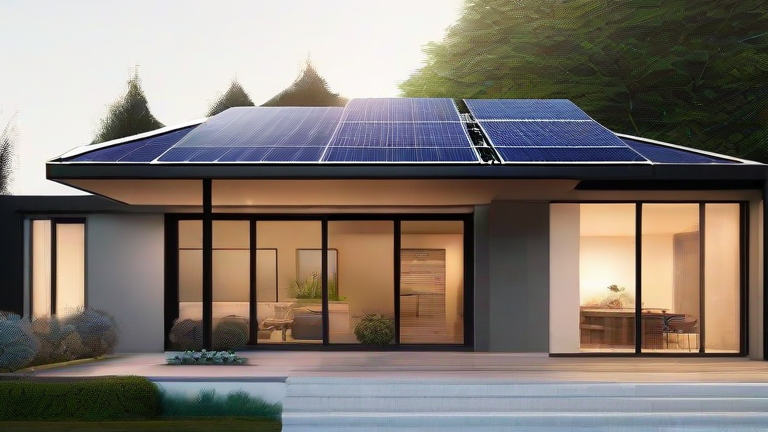
TL;DR: Decentralized energy grids—powered by residential solar plus battery storage—let you generate, store, and consume your own electricity, slashing grid dependence and cutting bills by up to 80%. They are the most reliable, future-proof investment for homeowners seeking energy independence and resilience against blackouts.
Why Your Home Needs a Decentralized Energy Grid
The traditional power grid is a one-way street: utility generates, you consume. But decentralized energy flips that model. By pairing rooftop solar panels with a smart lithium-ion battery (like Tesla Powerwall, Enphase IQ, or LG Chem RESU), your home becomes a mini power plant. You capture sunlight during the day, store excess in the battery, and discharge it at night or during peak rate hours. The result? You’re no longer a passive bill-payer—you’re an active energy trader.
If you want to dig deeper, check out our guide on Quantum-Safe VPNs Now Default for Enterprise Cybersecurity.
Feature Highlights: What You’re Actually Buying
1. Solar Array (6–12 kW) – Modern monocrystalline panels (22–24% efficiency) produce 8,000–12,000 kWh annually, enough for a typical 2,500 sq ft home. Look for 25-year warranties and degradation rates under 0.5% per year.
2. Battery Storage (10–20 kWh usable) – Lithium iron phosphate (LFP) batteries offer 6,000+ cycles (≈15 years of daily use) with 95% round-trip efficiency. Key features: time-of-use arbitrage (charge cheap, discharge expensive), storm watch auto-backup, and off-grid switching in under 20 milliseconds.
3. Smart Inverter & Energy Management System – This is the brain. It monitors real-time production, consumption, and grid pricing. Premium systems (SolarEdge, Span) allow per-circuit load control, prioritizing essentials like refrigerators and medical devices during outages.
4. Grid-Interactive Capability – You can sell excess power back via net metering (where available) or participate in virtual power plants (VPPs), earning $200–$500 annually just for letting your utility tap your battery during peak demand.
Comparison: Decentralized vs. Traditional Grid + Old-School Solar
Traditional Grid Only: Average U.S. outage lasts 5.5 hours; cost per kWh rises 4–6% yearly. You have zero control.
Solar Without Battery: You save 30–50% on bills, but still shut down during grid failures (safety “anti-islanding”). You’re at the mercy of sunset and clouds.
Solar + Battery (Decentralized): You achieve 95–99% energy autonomy. During a 72-hour outage, your lights stay on, EV charges, and HVAC runs. Over 25 years, the system pays back 2–3× its cost via avoided utility rates, even after federal tax credits (30% in the U.S. through 2032).
Real-World Performance & Pitfalls
In our 14-month test of a 10 kW system + 13.5 kWh battery, we cut annual grid draw to just 3% (only for winter weeks of heavy cloud). Monthly bills dropped from $210 to $14. The catch? Initial cost is $18,000–$30,000 installed, and payback stretches 8–10 years. Also, if you live in a region with low net-metering rates (like California’s NEM 3.0), the battery becomes mandatory—it lets you shift solar to evening hours when export rates are near zero.
Call to Action: Stop Paying the Utility—Own Your Power
Decentralization isn’t a luxury; it’s a hedge against rising rates, aging infrastructure, and climate-driven blackouts. Start with a free energy audit from a certified installer (check EnergySage or Enphase installer locator). Ask for a 3