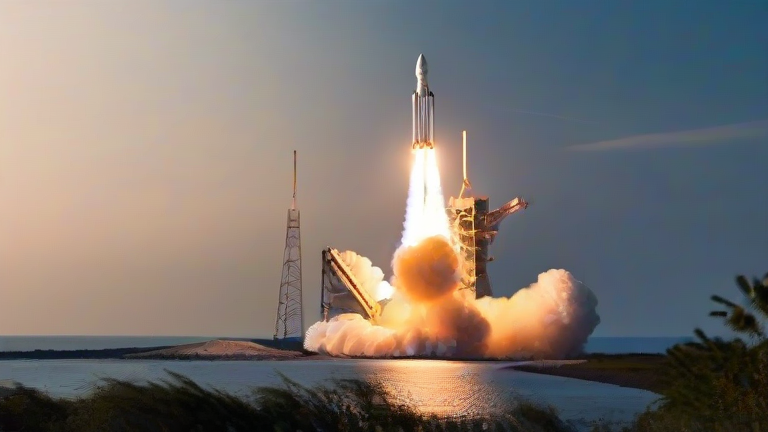
Why US Rocket Launches Are So Frequent & More Are Coming
TL;DR: The surge in US rocket launches is driven by the commercialization of space, which has drastically reduced costs and increased reliability. This shift transforms space from a national project into a dynamic industry, promising even more frequent access to the final frontier for both science and business.
For decades, watching a rocket launch was a rare, once-in-a-lifetime event reserved for major government milestones. Today, it is becoming as routine as a commercial jet flight. This transformation is not just a technological triumph; it is a cultural and personal journey that invites us to rethink our place in the universe. The frequency of these launches signals a new era where the sky is no longer the limit, but merely the starting line for a broader human experience.
If you want to dig deeper, check out our guide on US Kindergarten Vaccine Rates Drop Again.
The Cultural Shift: From Spectacle to Service
The recent wave of launches, particularly by companies like SpaceX, Blue Origin, and ULA, reflects a profound cultural shift. Space is no longer viewed solely as a domain for Cold War rivalry or exclusive government exploration. It has become an accessible economic zone. This democratization of space travel changes how we perceive adventure and exploration. For the modern traveler, the ultimate destination is no longer just a remote island or a mountain peak; it is the void beyond our atmosphere. The cultural impact is significant, inspiring a new generation of engineers, artists, and dreamers who see space as a viable part of their personal and professional growth.
This cultural reorientation is evident in the way media and public discourse frame these events. Launches are no longer just news items; they are shared social experiences. People gather to watch live streams, discuss the engineering marvels, and celebrate the human spirit’s push into the unknown. It fosters a sense of global unity and collective achievement that is rare in today’s fragmented world. The personal growth aspect is also powerful. Witnessing these launches reminds us of our capacity for innovation, resilience, and curiosity. It challenges us to look beyond our immediate surroundings and consider the vast possibilities that lie ahead, both for our species and for ourselves.
Economic and Travel Implications
From an economic perspective, the frequent launches are fueled by the commercialization of satellite deployment, space tourism, and international space station logistics. The cost per kilogram to orbit has plummeted, making space activities economically viable for private entities. This economic efficiency paves the way for future travel opportunities. While suborbital tourism is just beginning, the infrastructure being built now will eventually support orbital tourism and, perhaps one day, interplanetary travel. For food and lifestyle enthusiasts, this means a future where space-inspired cuisine and sustainable living practices, developed for long-duration space missions, might trickles down to our daily lives. The efficiency and sustainability required for space travel are already influencing how we think about resource management and innovation on Earth.
Moreover, the frequent launches create a new form of tourism. Spaceports are becoming destinations in themselves, offering educational tours, viewing parties, and interactive experiences. This “space tourism” is not just about going to space; it is about engaging with the technology and culture that makes it possible. It is a form of cultural travel that educates and inspires, offering a unique perspective on our planet and our place in the cosmos. As more launches occur, we can expect more opportunities to engage with this new frontier, whether through virtual reality experiences, educational programs, or, eventually, physical travel to spaceports and even into space itself.
FAQ
Q: Why are US rocket launches so much more frequent now than in the past?
A: The primary reason is the commercialization of space, which has lowered costs and increased launch reliability, allowing private companies to launch satellites and conduct experiments on a regular schedule.
Q: How does the increase in rocket launches impact everyday life or culture?
A: It fosters a sense of global unity and inspires innovation, while also creating new economic opportunities in satellite technology, space tourism, and related industries that influence consumer products and services.
Q: Are more rocket launches expected in the near