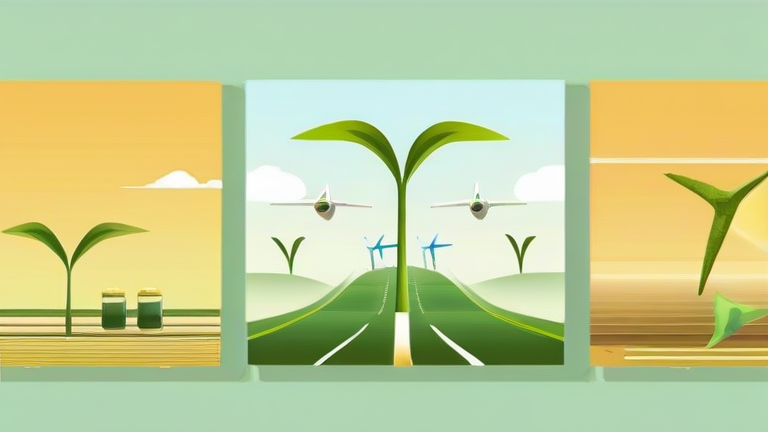
TL;DR: Sustainable Aviation Fuel (SAF) is scaling globally through strategic partnerships between airlines, energy producers, and governments, ensuring a rapid transition from fossil-based jet fuel. This shift significantly reduces carbon emissions, marking a pivotal step toward a sustainable and greener future for global travel.
Imagine sitting in your airplane seat, gazing out at the clouds, and knowing that your journey is leaving a lighter footprint on the planet. This is no longer a distant dream but a rapidly approaching reality. Sustainable Aviation Fuel, or SAF, has moved from niche experiments to mainstream adoption, driven by a collective desire to harmonize our love for exploration with our responsibility to the earth. For the modern traveler, this represents more than just a change in fuel; it is a cultural shift in how we experience the world.
If you want to dig deeper, check out our guide on Urban Air Mobility Enters Regulated Service.
The Journey of a Drop
At its core, SAF is derived from renewable sources such as used cooking oil, agricultural residues, and even municipal waste. Unlike traditional jet fuel, which releases carbon that has been locked away underground for millions of years, SAF utilizes carbon that is already in the atmospheric cycle. This closed-loop system means that the net carbon emissions are drastically lower, often by up to eighty percent compared to conventional kerosene. The technology is compatible with existing aircraft engines, requiring no major modifications to the fleets that connect our continents. This seamless integration is what allows airlines to scale SAF production without disrupting the intricate logistics of global tourism.
Culture and Consumption
As SAF becomes more prevalent, it influences the broader culture of travel. Travelers are increasingly demanding transparency and sustainability from the brands they support. This consumer pressure is forcing airlines to invest heavily in green technologies and carbon offset programs. Furthermore, the food industry is playing a crucial role. Many airlines are partnering with culinary experts to reduce food waste, which can then be converted into biofuel. This connection between what we eat and how we fly creates a holistic approach to sustainability, where every aspect of the journey is considered.
Personal Growth Through Travel
For the individual, choosing sustainable travel options is an act of personal growth. It reflects a deeper understanding of our impact on the environment and a commitment to making positive changes. As we explore new cultures and landscapes, we carry with us the hope that our presence will not harm the very places we seek to admire. This mindset encourages mindful travel practices, from packing light to supporting local economies, fostering a sense of global citizenship. The scaling of SAF is not just an industrial milestone; it is a testament to our collective ability to innovate for the greater good.

FAQ
Q: What is the primary difference between SAF and traditional jet fuel?
A: SAF is produced from renewable resources like waste oils and biomass, resulting in significantly lower lifecycle carbon emissions compared to fossil-based jet fuel.
Q: Can current aircraft engines use Sustainable Aviation Fuel without modification?
A: Yes, most commercial aircraft can operate on a blend of up to fifty percent SAF mixed with conventional jet fuel without any engine modifications.
Q: Why is scaling SAF production considered crucial for the aviation industry?
A: Scaling production is essential to meet global climate targets, as aviation accounts for a significant portion of global emissions and currently lacks viable zero-emission alternatives for long-haul flights.